
What 35 Years of PR, Marketing, and, Business Management Literature Taught Me
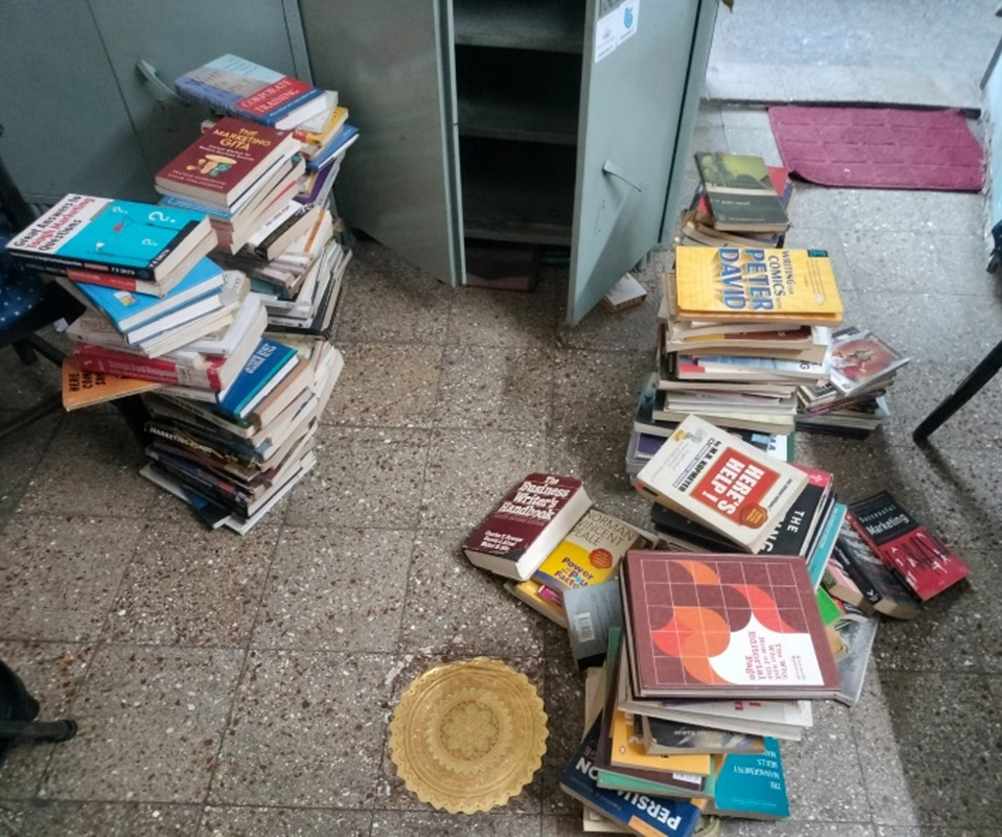
Sitting on the floor of my study, surrounded by more than three decades of my professional life, I realized something painful: I couldn’t bring myself to throw any of it away. It started in the early 1990s. I was young in the industry back when Public Relations was still explaining itself at dinner parties, “advertising” strictly meant print and television, and nobody had ever uttered the words “digital media.”
Desperate to decode what my seniors were talking about in meetings, I enrolled in a correspondence course for a Diploma in PR & Mass Communications. That single decision kicked off a collection that grew the way most meaningful things do—quietly, without a plan, one purchase at a time from normal bookshops, railway stalls, street-side vendors, five-star hotel lobbies, and airport terminals.
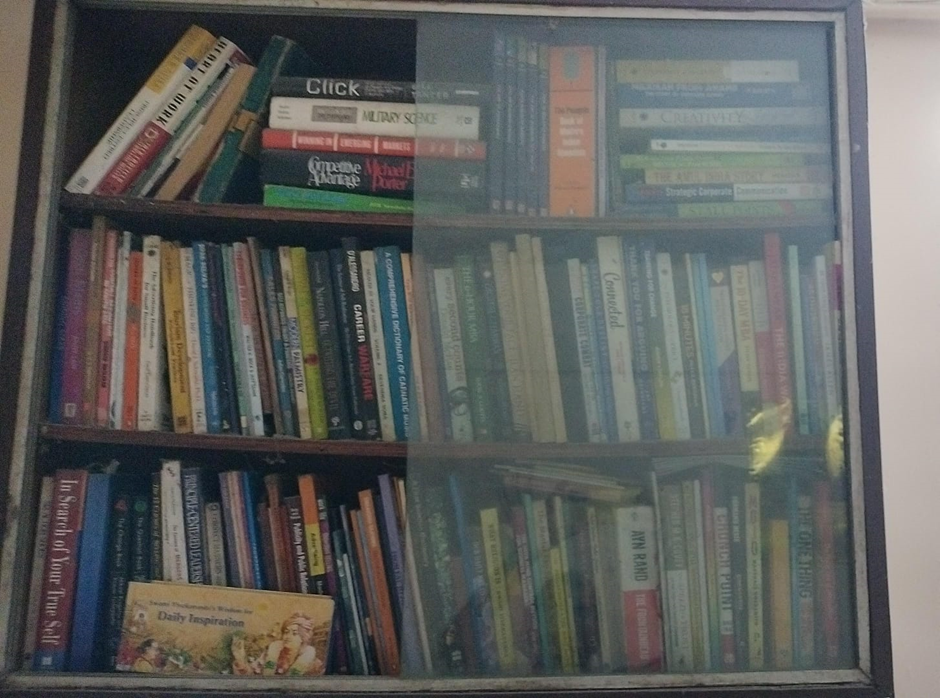
The Evolution of an Industry on a Single Bookshelf
As the profession expanded, so did my shelves:
- The Foundations: Integrated Marketing Communications joined classic PR texts.
- The Shift: Internet Marketing arrived, looking almost naive in hindsight with its dial-up assumptions.
- The Modern Era: Digital Media, Social Media Marketing (which felt revolutionary for about four years), and dense Mar-Tech volumes took their place alongside dog-eared marketing research guides.
Business management and finance eventually crept in, too. I learned a hard truth along the way: campaigns, platforms, and clever copy mean nothing if you don’t understand how a business actually survives.
This was never really about being thorough. It was about respect—respect for a profession that people often mistake for pure instinct and charm, when it is actually built on deep theory, history, and hard-earned frameworks.
Why Letting Go of Professional Books Is So Hard
And now, at this stage of my career, I am doing something I never expected: discarding some of them.
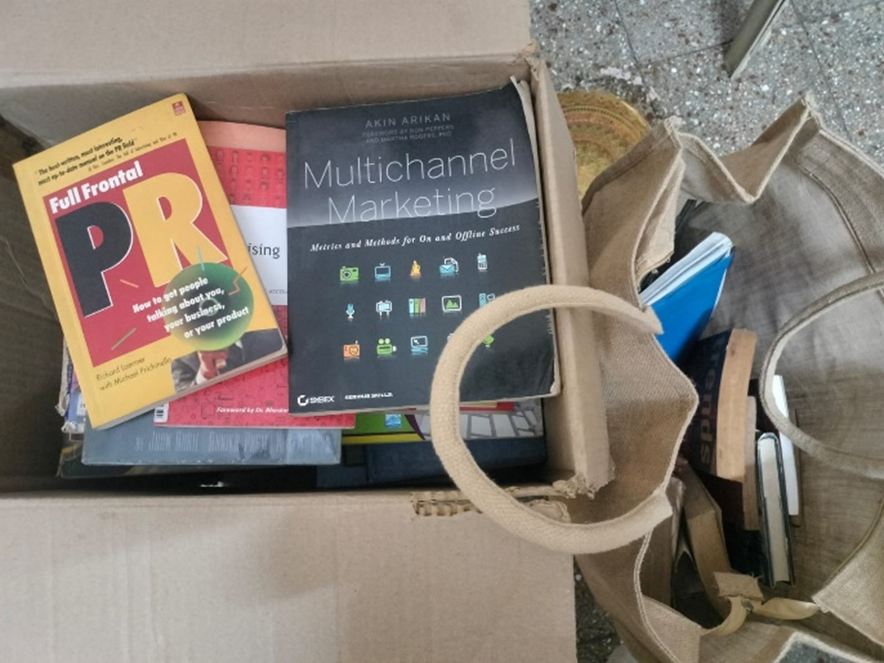
Space is finite, priorities shift, and certain books have quietly morphed into historical artifacts rather than working references. A 1994 advertising book written before the internet existed as a marketing channel is a lovely keepsake, but it isn’t something I reach for anymore. Keeping every single edition since 1990 isn’t building a library; it’s hoarding good intentions.
Picking each book up brings a wave of memories: a client project it unlocked, an unfinished book from a cross-country flight, or a mentor who is no longer around to ask for recommendations.
Letting go of a book you loved but no longer need carries a strange, minor grief. It’s the feeling of outgrowing something that once fit you perfectly. The book hasn’t changed. You have.
3 Rules for Decluttering Professional Books
To survive the editing process of my own history, I had to set a few ground rules:
- Keep the Foundations: If a book taught me fundamental psychology or persuasion that survives algorithm updates, it stays.
- Discard Pure Tactics: If a book is strictly tied to a tool, platform, or software that no longer exists, it goes.
- Preserve the Conversations: If I own multiple editions, I keep the one with my own handwriting in the margins—arguing with the author or agreeing too enthusiastically. That copy is no longer just a book; it’s a snapshot of my professional evolution.
What 3 Decades of Business Management Literature Teaches Us
Laying out thirty years of literature on a floor reveals a fascinating industry arc: PR morphing into communications, advertising sharing an uneasy shelf with digital media, and strategy books getting thinner even as the world grew more complex. True expertise always learns that clarity, not volume, is the ultimate skill. I suspect many of you have a version of this pile somewhere—digital folders, old notebooks, or entire eras of your professional life kept without quite knowing why.
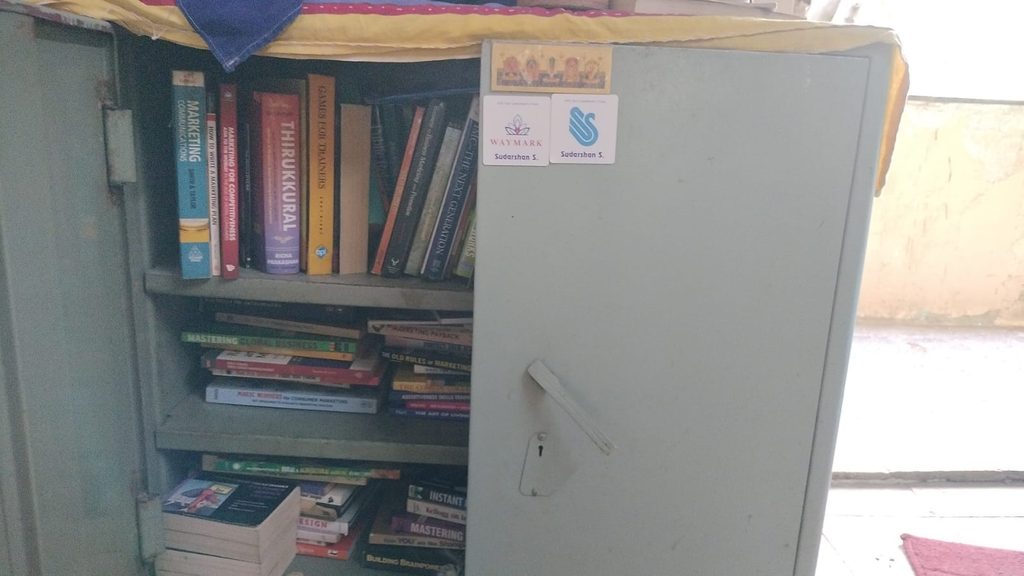
If there is a takeaway from an afternoon spent drowning in boxes, it is this: Keep what taught you how to think, and release what only taught you what to do.
The tools will always keep changing. But the books that shaped how you reason through a problem? Those are worth keeping—for as long as you have the shelf space to give them.
Do you have a stack of old professional books or digital files you’ve been holding onto? How do you decide what stays and what goes? Let’s discuss in the comments below!